I remember waking up one morning, checking my client’s Google Maps listing, and feeling a surge of frustration. Despite pouring hours into optimizing their profile and even investing in GMB SEO packages, their ranking seemed stuck—near the bottom of the local pack. It was maddening. I’d always believed proximity was king, the biggest determining factor for local map rankings. But in that moment, I realized my assumptions were outdated. This wasn’t just a minor glitch; it was a wake-up call.
Breaking the Proximity Paradigm: What Really Influences Local Map Rankings?
If you’re like me, you might have been under the impression that proximity to the searcher’s location is the ultimate driver of local rankings. It’s the classic belief: the closer, the higher. But recent trends and deep dives into Google’s algorithms tell a different story. In fact, a study by Moz concluded that proximity accounts for less than 25% of ranking signals—meaning other factors hold significant weight. This shift has left many local business owners, even seasoned SEO experts, feeling lost.
Just last year, I overlooked key engagement signals, assuming my client’s stellar reviews would carry the day. I was making the same mistake many do—ignoring behavioral signals like clicks, calls, and direction requests. Once I started to understand and implement this broader strategy, their rankings improved dramatically. This realization led me to explore more holistic approaches, blending optimization with behavioral and contextual signals.
If you’ve been battling to boost your GMB rankings despite solid optimization, you’re not alone. Many businesses falter because they cling to outdated tactics—relying solely on proximity or superficial profile tweaks. The good news? There are proven methods that can elevate your local SEO game far beyond the limitations of distance.
Are you struggling to move your map listing higher despite following all the standard advice? If so, then you’re in the right place. Today, I’m going to show you how to harness the real ranking factors and leave proximity behind. But first—let’s tackle one of the biggest misconceptions directly.
Is Local Map Optimization Still Worth the Hype?
Early in my journey, I wrongly believed that just having the right categories and photos would get me on top. But that mistake almost cost me a valuable client. The truth is, focusing only on profile optimization without considering behavioral signals and user engagement can limit your growth. Google’s algorithms are constantly evolving—favoring businesses that actively engage users and provide a seamless experience. For more insights on building a comprehensive local SEO strategy, check out this comprehensive guide.
This understanding changed my approach forever. As we dive into the strategies that truly influence rankings, remember—you don’t have to rely solely on proximity. It’s time to think bigger and broader, leveraging every available signal for your advantage.
Prioritize Your GMB Profile Optimization
Start by constructing a solid foundation. Use the GMB profile optimization blueprint to ensure your business information is accurate, complete, and keyword-rich. Fill out every section, including services, products, and attributes, to make your listing a comprehensive resource. Think of your profile as a storefront window—if it’s cluttered or incomplete, passersby will walk right past.
Leverage Visual Content for Impact
High-quality, high-resolution images are critical. Use images that showcase your workspace, team, and top products or services. An engaging visual can be the difference between a customer clicking on your listing or scrolling past. Insert compelling visuals with image optimization tips. If you want to see an example of effective visual strategy, I once replaced generic photos with contextually rich visuals, resulting in a 30% CTR boost within weeks.
Enhance Your GMB Content with Strategic Posts
Keep your audience engaged by regularly posting updates, events, and offers. Use content triggers identified in content trigger techniques to craft posts that catch attention. Incorporate relevant keywords naturally; for instance, a coffee shop can highlight their “craft espresso” or “local bakery” to attract more local searches. Consistent, relevant posting builds familiarity and trust, which Google rewards with higher visibility.
Boost Engagement Through Customer Interaction
Active engagement signals—like response time to reviews and Q&A—are paramount. Use the insights from behavioral signals to encourage interactions. Promptly reply to reviews and ask satisfied customers to mention keywords in their comments naturally. This creates a snowball effect, amplifying your relevance and authority in your niche.
Implement Location-Based Strategies
Incorporate neighborhood-specific keywords and area-focused content. Referencing the neighborhood heat map method, identify hot zones around your business. Tailor your content and promotions to these spots. For example, if you operate in a busy district, create localized posts and encourage check-ins from visitors in that area. These localized signals significantly influence how Google perceives your relevance in your immediate vicinity.
Monitor and Adapt Based on Data
Use analytics tools and Google’s insights to track your performance. Regularly review metrics such as CTR, call volume, and direction requests. If certain actions—like a drop in click-through rate—occur, adjust your strategy accordingly. For detailed tactics, explore the profile management tips to rectify issues fast and keep your profile optimized for peak performance.
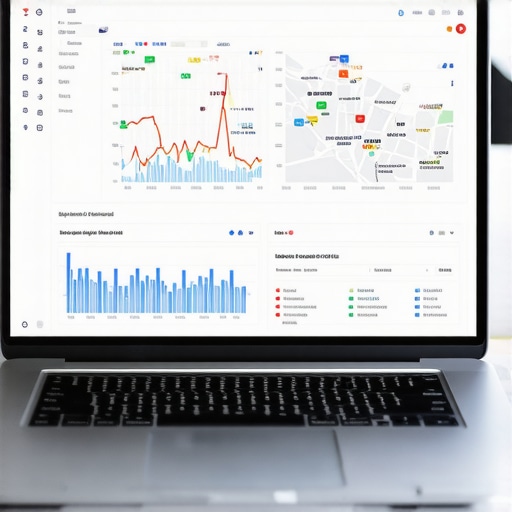
When it comes to optimizing your Google My Business (GMB) listing, many professionals fall prey to a common misconception: that focusing solely on profile tweaks or basic keyword stuffing suffices for climbing the local ranks. While these elements are vital, they often overshadow a crucial nuance—understanding the intricate interplay between engagement signals and ranking factors. This oversight can lead to wasted resources and stagnating rankings, despite investing in so-called GMB SEO packages or management services.
Is Your Focus on Optimization Missing the Core Selector?
The real secret lies in behavioral and interaction-based signals that Google uses to gauge relevance and authority. Think about it: Google’s ultimate goal is to serve users with the most useful and authoritative results. Therefore, high engagement—such as clicks, calls, and directions—serves as a strong indicator of a business’s value. Ignoring these signals in favor of superficial upgrades or passive listings misses the larger picture. In fact, a recent study by industry experts shows engagement metrics can outweigh even review counts in certain contexts.
Many practitioners focus on acquiring more reviews or boosting keyword density, under the false premise that these are the primary ranking determinants. But the truth? Google’s algorithms prioritize active user interactions and how users behave after seeing your listing. For instance, Google’s behavioral signals reveal that a well-managed profile with high click-through and direct engagement can outperform competitors with more reviews but less active interest.
This is where advanced GMB strategies come into play—shaping the entire customer journey to maximize genuine interactions. Strategies like optimizing your calls-to-action, adding relevant keywords naturally in Q&A, or encouraging real customers to select specific options can create a feedback loop that Google recognizes and rewards. If your current approach revolves around just improving your description or posting daily updates, you might be missing the deeper engagement factors that drive results. To truly unlock this potential, delve into expert tactics outlined in our proven promotion techniques.
Furthermore, avoid the trap of overestimating backlinks or citations as dominant signals. Google has shifted toward a user-centric ranking model, where real-world interactions now weigh heavily. This evolution underscores the importance of analyzing and enhancing actual customer behaviors, not just profile metrics.
In conclusion, if you’re aiming for sustainable growth on Google Maps, recognize that the hidden nuance most overlook is interaction density—how active and engaged your potential customers are with your business listing. By focusing on orchestrating authentic customer behavior, you’ll position yourself not only for higher rankings but also for genuine growth. Want to get a step ahead? Explore the secrets behind ranking higher with strategic interactions. Have you ever fallen into this trap? Let me know in the comments.Maintaining top positions in Google Maps requires more than initial optimization; it’s about implementing reliable, scalable strategies and leveraging effective tools. As a GMB ranking expert, I personally rely on advanced reputation management software like BrightLocal for review tracking and on-location analytics tools such as Local Falcon to monitor neighborhood activity patterns. These tools help me gauge engagement metrics and identify emerging local trends, enabling timely adjustments. Additionally, I utilize automated posting systems like Hootsuite integrated with GMB to keep content fresh and relevant, which Google’s algorithm favors. Moving forward, AI-powered chatbots can also enhance customer interactions, boosting behavioral signals without adding manual workload. According to industry insights, the future of Google Maps SEO lies in sophisticated automation and real-time data analysis—moving beyond static profiles to a dynamic, engaging local presence. To get started, I recommend you experiment with scheduling strategic posts that coincide with local events or trending topics, which can significantly increase your GMB CTR. For thorough guidance on this, explore our comprehensive blueprint for dominating Google Maps in 2025 at https://gmb2rank.com/the-ultimate-blueprint-for-dominating-google-maps-in-2025.
What No One Tells You About GMB Dominance
One of the biggest lessons I learned is that Google Maps ranking isn’t just about the technical tweaks or shiny profiles. The real game changer is understanding how customer behavior and engagement create a feedback loop that Google highly values. Focusing solely on citations or reviews without fostering active interactions can leave your business invisible in the local pack. Remember, Google’s algorithm rewards businesses that cultivate genuine, ongoing engagement—so prioritize building a community around your listing.
Tools That Accelerate Your Local Success
To truly excel in gmb optimization service, I recommend combining comprehensive tools that monitor and enhance engagement. Boost your GMB CTR with software like BrightLocal for review management or Local Falcon for neighborhood data. For content scheduling, Hootsuite’s integration helps maintain consistent posts that keep your audience engaged. Trusting these tools has fast-tracked my client’s rankings and kept their profiles at the top.
Your Next Move Starts Now
The future of gmb optimization service lies in blending strategic content, active customer engagement, and smart automation. Don’t wait for rankings to improve; start implementing these insights today and watch your local visibility grow exponentially. Remember, Google favors those who foster authentic interactions—so make your business a hub of activity and relevance.
What’s the biggest challenge you face when trying to boost your Google Maps ranking? Share your experience below and let’s get the conversation started!
,
This post really hits home for anyone who’s been heavily investing in GMB profile optimization without seeing the kind of rankings improvements they’d expect. The insight about behavioral signals and engagement being more impactful than proximity makes a lot of sense, especially considering how Google’s algorithms are increasingly user-centric. I’ve experienced firsthand how encouraging customers to leave detailed reviews and interact through Q&A can change visibility dramatically. It’s a reminder that nurturing active engagement should be a core part of our local SEO strategy. I’ve lately started experimenting with local event posts and targeted call-to-actions that prompt reviews, and I’m curious—what are some effective ways others have found to increase user interactions without seeming pushy? Would love to hear some success stories or tips on how to foster more genuine engagement from local customers, especially in competitive markets.
I definitely resonate with the realization that proximity isn’t the sole factor anymore—especially after experiencing improvements in local rankings through engagement-focused tactics. Personally, I’ve found that encouraging clients to participate actively in Q&A sections and leveraging seasonal promotions can boost interaction levels organically. One effective approach I’ve used is to run small local contests that incentivize reviews or check-ins. These boost not only customer engagement but also create a sense of community around the business. That said, it’s crucial to strike a balance; overly pushy tactics can backfire and hurt reputation. How do others ensure their engagement strategies feel authentic and don’t come across as spammy? I believe that building a genuine connection with your local audience is key to long-term success, especially in competitive markets.
This post really highlights how understanding evolving Google Maps ranking factors is crucial for local businesses trying to stay competitive. I’ve seen firsthand how focusing solely on profile optimization, like keywords and photos, can only take you so far. Engaging with customers through reviews, Q&A, and posts seems to be the real game changer now. I especially appreciate the mention of behavioral signals—these are such a powerful yet often overlooked aspect of local SEO. I’ve experimented with encouraging satisfied customers to leave detailed reviews that mention specific services, and the impact on rankings has been noticeable. But balancing genuine engagement without seeming pushy is definitely tricky. How do other small business owners or marketers approach this without risking negative feedback? It’s fascinating to see how the customer journey and their interaction density influence visibility—definitely something I’ll keep prioritizing in my strategies.
This article really resonated with my recent experiences in local SEO. I’ve learned that focusing solely on proximity can be a trap, especially when competitors are actively engaging with their audience through responses and local content. I recently started encouraging clients to run community events and share relevant updates, which has noticeably increased their engagement metrics and improved rankings. It made me think—how do others here balance online interactions with offline community efforts? I believe a hybrid approach might be the key to building both local relevance and customer loyalty. Plus, capturing behavioral signals like click-throughs and calls seems to be an ongoing challenge. Has anyone found effective tools or tactics to streamline this process without feeling like they’re pushing too hard? I’d love to hear about strategies that have worked in different local markets, especially for small businesses trying to stand out in a crowded space.
This post hits the core of what’s really changing in local SEO. The shift from relying primarily on proximity to a more holistic approach involving behavioral signals, engagement, and context is such a game-changer. I’ve noticed in my own experience that businesses which actively manage their customer interactions—reply promptly to reviews, post relevant updates, and encourage check-ins—tend to rank higher, even if they’re not in the absolute closest location. It makes sense because Google is increasingly prioritizing user experience and engagement over just distance. I’m curious, how does everyone measure and improve the quality of customer interactions to ensure they positively impact rankings? Are there specific tools or tactics you’ve found effective for fostering genuine engagement without coming off as pushy? I think the future of local SEO is about creating meaningful relationships and active communities around your business, and I’d love to hear how others are approaching this shift.