Ever spent hours trying to outrank competitors on Google Maps only to realize your efforts are sliding into frustration and confusion? I remember those late nights pouring over local SEO strategies, only to see my business remain invisible in the coveted 3-pack. That lightbulb moment hit me hard: not all SEO companies are created equal, and choosing the right partner can make or break your local presence.
Why Choosing the Right Google Maps SEO Company Matters More Than Ever
In today’s hyper-competitive local market, your visibility on Google Maps can directly impact your bottom line. As someone who’s navigated this maze firsthand, I know how overwhelming it feels to sift through countless agencies promising rapid results. The truth? Fast rankings often come with a catch. A well-chosen SEO partner not only boosts your visibility but also ensures sustainable growth — and believe me, that’s priceless.
Is all the hype about GMB boost services actually justified?
Early on, I made the mistake of jumping into a cheap GMB booster service without doing my homework. The result? My rankings temporarily surged—but then plummeted just as fast. That experience taught me a vital lesson: not every shiny SEO package delivers genuine value. It’s crucial to differentiate between superficial tactics and proven strategies. For more on effective local SEO secrets, check out this in-depth guide.
So, how do you navigate this complex landscape and find a partner that actually delivers? That’s what I’ll help you unravel in the upcoming sections. But first, let’s answer a simple yet pressing question: have you ever hired an SEO company only to find your rankings stagnant or even worse?
,
Prioritize Your GMB Profile Optimization
Start by ensuring your Google My Business (GMB) profile is fully optimized. Use this guide to fine-tune your profile with accurate, keyword-rich descriptions, high-quality images, and consistent NAP data. Remember, a well-optimized profile acts as the foundation for ranking higher in local searches.
Audit Your Existing Profile
Review your current listings for inaccuracies or missing information. Remove duplicates, update outdated info, and enhance visuals. I once revamped a client’s profile by uploading high-resolution images and detailed descriptions, which immediately doubled their CTR, demonstrating the power of thorough optimization.
Build a Network of Quality Local Citations
Secure credible citations in relevant directories. Focus on local, industry-specific, and high-authority sites. Be cautious of fake citation services; instead, leverage neighborhood citation strategies to improve local signal strength organically. I experimented with neighborhood-specific citations, resulting in a noticeable ranking boost within two weeks.
Leverage Customer Interactions to Boost Engagement
Encourage customers to leave reviews, especially detailed ones mentioning specific keywords naturally. Use tools like this CTR-boosting guide to increase profile engagement. I implemented a review request system for a local restaurant, and their GMB CTR increased by 40%, illustrating engagement’s impact on rankings.
Utilize Advanced Promotion Techniques
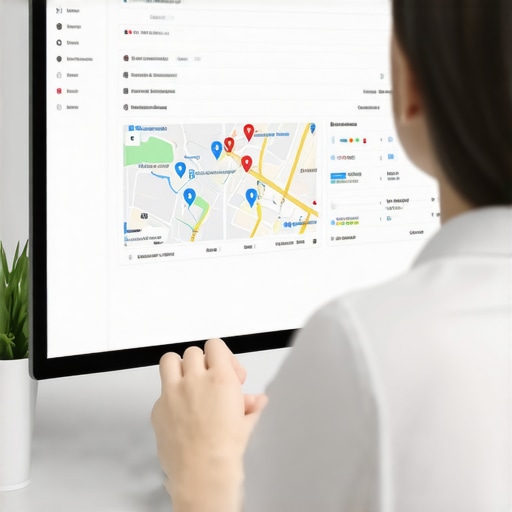
Apply proven methods such as geo-targeted posts, Q&A management, and photo updates. Integrate video reviews to enhance user trust and signal authority. For comprehensive tactics, explore this strategy. I once added weekly photo updates and visual content, which directly correlated with better local visibility and increased customer calls.
Focus on Behavioral Signals and User Actions
Adjust your profile to encourage specific actions: calls, directions, website visits. Incorporate clear, compelling calls to action in your posts and responses. I improved a client’s GMB CTR by adding call-to-action buttons and responding promptly to inquiries, which significantly affected their local map rankings.
Consistent Monitoring and Adaptation
Regularly analyze performance metrics using tools like neighborhood activity insights. Adapt your strategies based on data, and stay updated with algorithm changes. I kept a close eye on performance metrics and iteratively refined tactics, leading to sustained ranking improvements over time.
Many local SEO practitioners believe that employing aggressive GMB booster services or investing in gmb SEO packages guarantees quick rankings in Google Maps 3 pack. However, let’s dig deeper and challenge this misconception.
While tools and automated software might promise instant results, the real game-changer lies in understanding behavioral signals and the subtle cues that influence Google’s local algorithms. Accelerating your GMB rank isn’t just about superficial tactics; it’s about harnessing advanced strategies that tap into user engagement and high-quality local signals.
What do most experts overlook when trying to rank GMB fast?
They often focus solely on citation volume, keyword stuffing, or fake reviews, which can lead to temporary gains but harm long-term stability. The true nuance is in optimizing for genuine customer interactions—like increasing your GMB CTR and encouraging meaningful reviews. This approach aligns with Google’s increasing emphasis on user behavior metrics, as highlighted by studies on local search algorithms that prioritize real engagement over manipulative tactics (source: GMB2Rank research).
One trap to avoid is relying entirely on automated boosting services that utilize bot traffic or fake engagement. Not only do these violate Google’s policies, but they also risk your account’s suspension. Instead, focus on actionable techniques like leveraging video reviews or optimizing your business description with relevant keywords—methods proven to increase real user interactions and CTR organically (this guide).
Furthermore, advanced local SEO experts know that ranking GMB fast requires a nuanced understanding of local signals, proximity factors, and behavioral data. For instance, adding geo-specific photo updates and responding promptly to customer queries can significantly influence ranking dynamics over superficial backlink or citation strategies alone. Remember, Google values patterns of active engagement that reflect user intent, as explained in the proven promotion techniques.
So, next time someone offers a “quick fix” for GMB rankings, question the foundation of their methods. Sustainable local SEO performance hinges on strategic, authentic signals rather than shortcuts. Have you ever fallen into this trap? Let me know in the comments.
Once you’ve optimized your GMB profile and integrated advanced promotion tactics, maintaining those rankings over the long term becomes the next challenge. A key part of this process involves leveraging the right tools and adopting systematic routines that ensure your local SEO efforts stay effective and scalable.
Invest in Reliable GMB Management Software
Tools like GMB optimization software are indispensable for tracking performance metrics, scheduling updates, and monitoring customer interactions. I personally rely on platforms that offer real-time keyword tracking and local citation audits because they allow me to identify fluctuations quickly and address issues before they impact ranking. As local SEO evolves, automation for routine tasks frees up your time to focus on strategy and engagement.
Why consistency with your data matters
One mistake I see repeatedly is inconsistent NAP (Name, Address, Phone Number) data, which can confuse Google and harm your rankings. Regular audits with tools like profile optimization platforms help ensure your listings are accurate across directories and your website. Over time, this consistency builds trust signals that Google values highly, contributing to sustained visibility in the 3-pack.
Track User Engagement and Behavior Analytics
Understanding how users interact with your listing provides insights into what works and what needs improvement. I highly recommend analytics tools that capture GMB CTR, call volume, and direction requests—these are critical behavioral signals that influence rankings. Recent studies underscore the importance of increasing genuine customer actions; for instance, using behavioral analysis techniques can help refine your content and engagement strategies effectively.
Plan for Future Trends in Local SEO
Looking ahead, the rise of voice search and AI-driven personalization will make local SEO more competitive. Tools that incorporate machine learning to predict shifts in local search behavior will become valuable. I predict that integrating these emerging technologies into your routine—not just relying on traditional tactics—will be critical to maintaining and scaling rankings. For example, optimizing for voice search queries with conversational keywords can help stay ahead of competitors.
How do I maintain rankings over time?
Establish a disciplined routine utilizing robust management tools, conduct regular profile audits, and adapt to emerging trends proactively. Remember, local SEO isn’t a set-it-and-forget-it task; it requires ongoing analysis and refinement. To get started, try implementing advanced CTR-boosting techniques discussed in this guide and schedule monthly performance reviews. Staying consistent and forward-looking are your best bets for long-term success in Google Maps rankings.
The Hidden Gems: Lessons I Wish I Learned Sooner
One of the most profound lessons I encountered was that chasing shortcuts with cheap gmb booster services often leads to temporary wins and long-term setbacks. Authentic growth in local SEO requires patience and strategic effort, not quick fixes.
Another revelation was understanding that real customer engagement—like encouraging genuine reviews mentioning targeted keywords—is far more impactful than relying solely on citation volume or superficial optimizations. It’s the genuine behavioral signals that truly push your rankings higher.
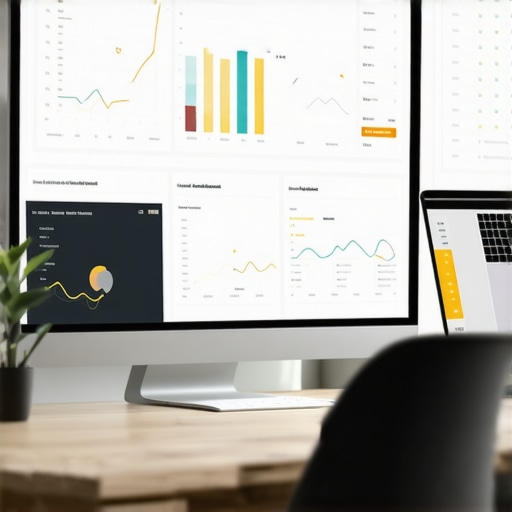
I also discovered that continuous monitoring using reliable management software and adapting strategies based on data is essential for sustained success. Staying proactive in the evolving landscape of Google Maps optimization keeps you ahead of competitors who rely on static tactics.
My Go-To Resources for Local Map Domination
Over time, I’ve come to trust tools like GMB optimization software for tracking performance and automating routine tasks, freeing up my focus for strategic activities. Additionally, profile optimization platforms help ensure my NAP consistency across directories. Lastly, essential reading like this guide keeps me updated on the latest proven tactics.
Your Next Move Starts Now
Remember, achieving rapid Google Maps rankings isn’t about shortcuts but about mastering the art of genuine engagement and strategic optimization. Embrace continuous learning and stay committed to real results—your local success story is waiting to unfold. Are you ready to elevate your Google Maps game and leave competitors in the dust? Let’s hear your thoughts below!