I remember the moment vividly—checking my Google Business Profile after making what I thought was a solid update, only to realize I wasn’t even showing up in the local 3-pack. Frustration? Oh, it hit hard. I had optimized my categories, gathered some reviews, even played with keywords. Still, those rankings refused to budge. Then, it struck me—my photos. Or more specifically, the quality of my photos.
One surprisingly simple tweak changed everything. High-resolution images, crisp and vibrant, seemed to draw more attention and, remarkably, improved my visibility on Google Maps faster than any keyword tweak I’d tried. This revelation hit me like a lightbulb moment—your images aren’t just pretty visuals; they are powerful signals that Google uses to evaluate your local relevance.
Why Your Photos Might Be Sabotaging Your Local Map Presence
The truth is, many local businesses overlook the impact of image quality on their Google Maps rankings. They focus heavily on keywords, reviews, and citations, which are undeniably important. But high-resolution, professionally taken images serve as trust signals and engagement boosters. They help your profile stand out and even influence your ranking in ways you might not expect.
According to Moz’s local SEO ranking factors, engagement metrics like click-through rate and profile visits play a crucial role in local pack placements. Quality images can significantly increase these interactions, signaling to Google that your business is active, trustworthy, and relevant.
Early in my journey, I made a common mistake—using generic, low-res photos just to fill the gallery. It was a quick fix that backfired. Instead of boosting my visibility, it made my profile appear outdated and unprofessional, further decreasing my chances of ranking higher. This is a mistake I see many small business owners repeat because they underestimate how visual signals impact local search placement.
So, have you faced the challenge of maintaining an eye-catching Google Business Profile that actually drives results? If your photos are outdated, blurry, or just plain unoriginal, the chances are your local maps ranking is suffering. The good news is, once you understand the influence high-resolution images have, you can take targeted action that makes a real difference.
Now, let’s dive into how you can leverage stunning visuals to command the local search scene. For more strategies on dominating Google Maps, check out our comprehensive guide to [Google Maps 3 Pack Mastery](https://gmb2rank.com/google-maps-3-pack-mastery-your-path-to-local-domination).
Optimize Your Visual Content for Maximum Impact
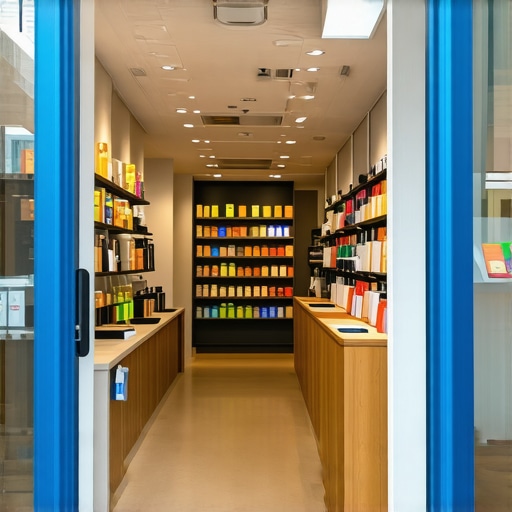
Start by assessing your current imagery. Replace blurry or low-resolution photos with high-quality, professionally shot images that showcase your products, storefront, or services. Think of your photos as the storefront window; they invite potential customers in and signal credibility to Google. Use natural lighting and clear angles to highlight your offerings. Don’t forget to add contextually relevant images, such as team photos or customer interactions, to foster trust and engagement. Regularly update your gallery to demonstrate activity, which Google favors.
Strategically Enhance Your Business Profile
Going beyond visuals, ensure your business information is precise and comprehensive. Fill out every section—business description, categories, attributes—and keep this data consistent across your website and listings. Use primary and secondary categories to capture broader search intents, like choosing ‘Coffee Shop’ with ‘Bakery’ as a secondary. Incorporate keywords naturally into your business description without overstuffing, aligning with techniques outlined in GMB profile optimization guides. This increases your relevance signals for local rankings.
Leverage Community and Engagement Signals
Encourage genuine customer interactions—reviews, check-ins, and photos. Positive reviews boost social proof and CTR, while high engagement metrics tell Google that your business is active and popular. Implement strategies to gently prompt satisfied customers for reviews, focusing on natural keyword inclusion to enhance relevance. Responding promptly to reviews, especially negative ones, demonstrates active management. Additionally, posting regularly on Google My Business, such as updates or offers, signals ongoing activity, which is favored in local SEO tips. Focus on authenticity to avoid penalties and build trust.
Utilize Location Data and Internal Linking
Ensure your business address, service areas, and contact info are consistent and accurate. Use location-specific keywords in your profile and website content. Connect your GMB listing with related pages via internal links, strengthening topical relevance—akin to building a network that Google recognizes as authoritative. For instance, link to blog posts about neighborhood events or local issues, reinforcing your local presence. These signals help Google associate your profile with local queries more effectively, as detailed in local SEO strategies.
Harness Behavioral Signals with Innovative Techniques
Implement local engagement tactics such as encouraging customers to use Google Maps navigation to your business or to check in via social platforms. The more real-world interactions your listing receives, the more it signals popularity and relevance. Use area-specific keywords and landmarks in your profile to attract nearby customers. Remember, Google values actual user behavior more than backlinks or citations alone—see proof that engagement beats traditional link-building. Working on these behavioral signals can drastically improve your rankings over time.
Many business owners believe that optimizing their Google Business Profile is a straightforward task—fill out the forms, upload a few photos, and wait for rankings to soar. However, this oversimplified view leads to a common misconception: that GMB optimization is primarily about superficial tweaks rather than strategic, nuanced efforts. In reality, many overlook the complex interplay of signals that influence Google Maps rankings, leading to wasted resources and stagnating visibility.
One critical nuance often misunderstood is the importance of behavioral signals—such as customer interactions, local engagement, and visit metrics—that Google increasingly weights in its ranking algorithms. According to a study published by Search Engine Journal, Google’s local pack ranking factors have shifted significantly towards engagement-focused signals, making it imperative for businesses to foster genuine in-person and online interactions rather than relying solely on static profile optimization. This means that focusing only on keywords and reviews, without cultivating real-world customer behavior, is a flawed approach.
Additionally, there’s a prevalent myth that acquiring a high volume of reviews is the fastest route to higher rankings. While reviews are influential, their impact is often overstated, especially if the reviews are fake or artificially solicited. Google’s algorithms are now sophisticated enough to detect unnatural review behaviors, and relying solely on review quantity can backfire. Instead, emphasis should be placed on the quality, relevance, and natural integration of customer feedback—encouraging honest reviews that include diverse keywords and personal experiences.
Now, consider the trap of neglecting the technical health of your profile. Many overlook that Google strives for accuracy and consistency in NAP (Name, Address, Phone Number) data, and inconsistencies can negate your optimization efforts. A small discrepancy in address formatting or a missing contact detail can prevent your profile from ranking well, regardless of how optimized your content appears.
Here’s an advanced question for the seasoned marketer: How do behavioral signals compare with traditional SEO signals in determining local pack rankings, and can they eventually override the influence of backlinks and citations?
Research from Moz indicates that behavioral signals are becoming as crucial, if not more so, than backlinks in local rankings. As Google’s AI-driven algorithms evolve, they prioritize user-centric data—such as clicks, directions requests, and check-ins—more heavily. This trend suggests that a comprehensive local SEO strategy must integrate behavioral optimization alongside traditional tactics, ensuring that your business not only appears optimized on paper but also actively engages with its community.
Avoid falling into the trap of relying solely on quick fixes like purchased citations or fake reviews. Instead, invest in authentic engagement, technical accuracy, and nuanced optimization—these are the pillars that can truly elevate your Google Maps presence in 2026 and beyond.
Have you ever fallen into this trap? Let me know in the comments. For more insights on mastering your local visibility, explore our guide on Google Maps 3 Pack Mastery or check out our comprehensive blueprint for dominating Google Maps in 2025.Maintaining a thriving Google Business Profile over time requires strategic tools and consistent effort. One indispensable resource I personally rely on is BrightLocal, which offers advanced local SEO auditing and review tracking features. It helps me identify fluctuations in rankings and monitor customer engagement metrics, ensuring I can respond promptly to changes that might impact my Maps visibility. Another crucial tool is SEMrush, which allows me to perform competitor analysis and keyword tracking specific to local search queries, essential for adjusting my strategy proactively. Incorporating Google My Business insights with these platforms creates a comprehensive picture that guides continuous improvement.
For internal management, I recommend using Trello or Asana to organize ongoing optimization tasks—such as photo updates, review responses, and content scheduling. These tools facilitate accountability and ensure no detail falls through the cracks, which is vital for sustained success.
Looking ahead, I predict that automation and AI-driven analytics will become even more integral to GMB management. Summarizing behavioral data—like customer check-ins and navigation patterns—will enable more precise adjustments for ranking boosts, reducing manual guesswork. As the landscape evolves, embracing these tech advances will be key.
### How do I keep my GMB rankings steady over time?
Routine audits using BrightLocal combined with competitor insights from SEMrush allow me to spot and fix issues before they snowball. Regularly updating photos, responding to reviews authentically, and adjusting keywords based on analytics keeps my profile relevant. Developing a structured content calendar and tapping into automation tools ensures consistency, which Google favors. For more detailed strategies, explore proven promotion techniques and stay ahead of the local SEO game.
Throughout my journey in mastering Google Business Profile optimization, I discovered that the most overlooked element isn’t just keywords or reviews—it’s the quality of your images and the authentic engagement your profile fosters. High-resolution, professionally taken photos act as trust signals, dramatically increasing profile clicks and customer interactions, which Google interprets as indicators of relevance and activity. Embracing this realization transformed my approach, showing me that compelling visuals combined with strategic customer engagement can accelerate your visibility in the local 3-pack faster than traditional methods.
One lightbulb moment was realizing that neglecting technical consistency—like accurate NAP data and cohesive internal linking—hinders your profile’s ability to rank effectively, regardless of your visual and engagement efforts. The key is a balanced strategy: enhance your images, cultivate genuine reviews and interactions, and ensure your data integrity. These components work synergistically to reinforce your local relevance signals, leading to sustainable, superior rankings.
Final takeaway? Don’t underestimate the power of authentic, high-quality visuals paired with active community involvement. These tactics shape not only your profile’s perception by Google but also influence your potential customers’ trust and decision-making process. For comprehensive strategies, I recommend exploring our Google Maps 3 Pack Mastery guide. Remember, the future of dominating local search depends on how well you combine visual appeal with real-world engagement—so start implementing today!
I completely relate to the idea that high-resolution images can significantly influence local search rankings. When I worked on optimizing my own cafe’s Google profile, I noticed a marked increase in profile visits after I replaced all my blurry, low-quality pics with professional, vibrant photos. It’s interesting how Google seems to interpret those crisp visuals as a sign of professionalism and activity, which in turn boosts visibility. I’ve also started incorporating more community-centered images, like photos from local events and customer interactions, and I believe that adds an extra layer of trust and engagement. My question is, how often do you recommend updating your photos to keep the profile active without overdoing it? I’d love to hear how others strike the right balance between fresh visuals and consistency, especially when managing multiple locations.
Reading this reminded me of a local boutique I worked with that saw a real uptick in visibility after investing in high-quality imagery. It’s surprising how much difference professionally shot photos can make, especially when they showcase the true essence of the business. I agree that visuals are more than just aesthetic; they’re signals of activity and professionalism to Google. One aspect I’ve seen work well is seasonal updates—replacing or adding new photos during holidays or special events keeps profiles fresh and engaging without overwhelming the audience. How often do you think is optimal for updating photos without risking the profile appearing inconsistent? Also, does anyone have experience with using 360-degree or virtual tour photos to boost engagement and rankings? I think immersive visuals could be another way to stand out and communicate trust. Would love to hear more strategies from others on maintaining a balance between freshness and consistency.
This article really resonated with me because I’ve seen firsthand how high-quality images can transform a local business’s online presence. One thing I’ve noticed in our own experience is that not only do visually appealing photos attract more clicks, but they also encourage customers to share their own images, creating a more dynamic and authentic profile. I agree with the importance of consistent updates—perhaps quarterly or seasonally—to keep the profile fresh without overdoing it. Has anyone experimented with specific types of photos, like behind-the-scenes shots or customer stories, to boost engagement? I’d love to hear what types of visuals have worked well in different industries or for different sizes of businesses.
This post really underscores how critical quality visuals are in local SEO, especially in the age of highly visual platforms and Google’s evolving algorithms. I’ve noticed firsthand that businesses with crisp, professional photos tend to attract more attention and engagement, which naturally boosts their local rankings. It’s interesting how this aligns with Google’s focus on engagement metrics like profile visits and clicks, where top-notch images serve as a catalyst for increased interest.
From my experience, regular updates—say quarterly—help maintain freshness without overwhelming your audience. I particularly recommend adding seasonal or new product photos to showcase ongoing activity. Also, incorporating behind-the-scenes or staff photos can foster more authentic connections with potential customers.
I wonder, what’s everyone’s take on utilizing immersive visuals, such as 360-degree tours or video content? Do you think these methods can translate into tangible ranking benefits or increased customer trust? I’d love to hear insights or strategies from others who’ve experimented with these rich media formats.
This post really highlights how impactful visuals are in local SEO, beyond just relying on keywords and reviews. I’ve noticed lately that businesses with consistently updated, high-quality imagery tend to stand out more on Google Maps. It seems like Google not only values fresh content but also interprets professional photos as a sign of trustworthiness and activity. In my experience managing multiple listings, I’ve seen that adding seasonal or event-specific photos helps maintain engagement without overloading the profile. I’m curious, does anyone have insights on how immersive media like 360-degree tours or short videos perform in boosting local visibility? I believe they could add a layer of authenticity and attract more customer interaction, but I’d love to hear real examples or data on this approach. Also, what’s the optimal frequency for updating images to keep the profile fresh but consistent? I find balancing quality and consistency to be a challenge for some of my clients.
This post truly emphasizes the underestimated power of high-resolution imagery in local SEO. From personal experience managing multiple store profiles, I’ve observed that professional photos not only elevate the profile’s aesthetic appeal but also significantly increase customer trust and interaction. I’ve experimented with seasonal updates and noticed a marked boost in engagement, especially when incorporating behind-the-scenes content. Regarding immersive media like 360-degree tours or short videos, I believe they can be game-changers, especially for retail and hospitality sectors, by providing a virtual experience that encourages in-store visits. How often do others find it effective to refresh their visuals? I’d imagine real-time updates might be overkill but quarterly or biannual updates could strike a good balance. Has anyone seen tangible ranking improvements with these rich media formats? Would love to hear insights or success stories on this front.